
Medicine Cabinet Safety: What to Check This Season
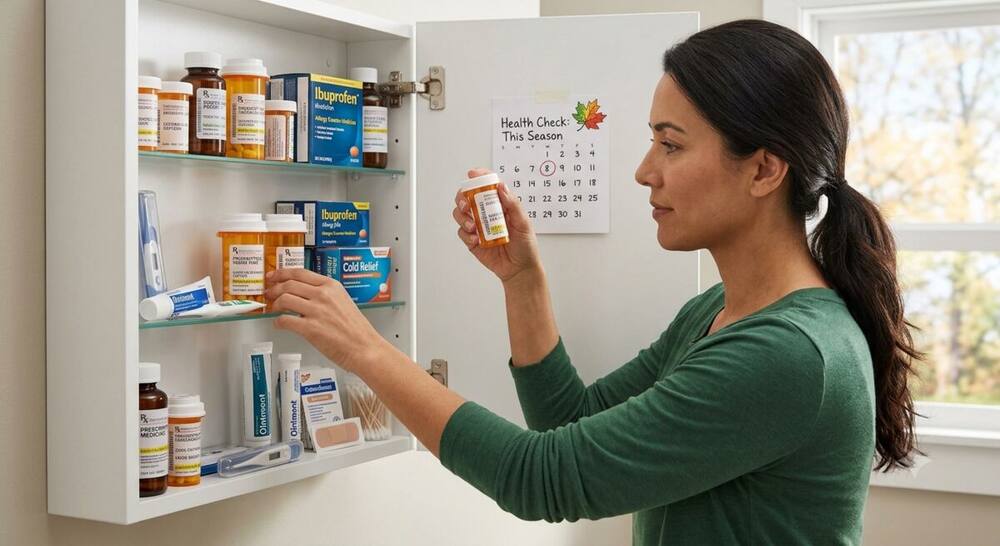
Is your medicine cabinet up to date?
Most of us keep a collection of painkillers, cold and flu remedies, plasters, prescription medicines and half-used products "just in case." But over time, medicines expire, packaging becomes damaged, instructions disappear, and products we no longer need begin to accumulate.
A quick seasonal medicine-cabinet check can help make sure that when you or your family needs something, it's safe, clearly labelled and ready to use. Here are the essentials to check.
1. Check Expiry Dates
Start by taking everything out of your medicine cabinet and checking the expiry date on each product. This includes:
- Prescription medicines
- Pain and fever medicines
- Cold and flu remedies
- Allergy medicines
- Cough syrups
- Eye and ear drops
- Antiseptic products
- Creams and ointments
- Vitamins and supplements
Expired medicines may no longer provide the intended quality, safety or effectiveness. Don't use a medicine simply because it "looks fine." If you're unsure whether a product is still suitable to use, ask your pharmacist.
2. Look for Damaged or Unidentifiable Medicines
Check packaging carefully. Set aside medicines if:
- The original label is missing or unreadable.
- You don't know what the medicine is.
- Tablets have changed appearance unexpectedly.
- Packaging is damaged.
- A liquid has changed colour, consistency or smell.
- The medicine was stored incorrectly.
- You cannot determine when it expires.
Never guess what an unidentified tablet or capsule might be.
3. Don't Keep Leftover Prescription Medicines "For Next Time"
It can be tempting to save unfinished prescription medication in case similar symptoms return. That's not always safe.
A new illness may look similar to a previous one while having a completely different cause or requiring different treatment. This is especially important with antibiotics. Antibiotics should only be used when appropriately prescribed and exactly as directed.
Never share prescription medication with friends or family members.
4. Store Medicines Correctly
Where you keep medicine matters. Despite the name, the bathroom "medicine cabinet" isn't always the ideal place because bathrooms can become warm and humid.
Unless the packaging or your pharmacist advises otherwise, many medicines should be stored:
- In a cool, dry place
- Away from direct sunlight
- In their original packaging
- Away from excessive heat and moisture
Some medicines require refrigeration or specific storage conditions, so always follow the instructions on the label.
5. Keep Medicines Away From Children
Medicines should be stored out of sight and reach of children, preferably in a secure or locked location where appropriate. Don't rely on child-resistant packaging alone.
Children can mistake colourful tablets for sweets and liquid medicines for drinks. Also remember to secure vitamins and supplements. "Natural" doesn't automatically mean harmless, particularly when large amounts are swallowed.
6. Keep Everyday First-Aid Essentials
Your home medicine cabinet doesn't need to resemble a pharmacy. A practical household kit might include:
- Plasters in several sizes
- Sterile gauze and dressings
- Antiseptic
- Bandages
- Medical tape
- Disposable gloves
- Thermometer
- Tweezers
- Appropriate pain and fever relief
- Any regularly required personal medication
What you need will depend on your household, age, medical needs and circumstances. A pharmacist can help you put together an appropriate home first-aid kit.
7. Check Chronic Medication
If someone in your household takes medication regularly, use your seasonal check to make sure:
- Repeat prescriptions are current.
- You have enough medication available.
- Medicines haven't expired.
- Storage instructions are being followed.
- You understand when and how each medicine should be taken.
If you're confused about your medicines, don't simply stop taking them. Speak to your pharmacist or doctor first.
8. Dispose of Unwanted Medicines Responsibly
Don't automatically throw unwanted or expired medication into the household rubbish, flush it down the toilet or pour it down the drain. Incorrect disposal can create risks for people, animals and the environment.
Ask your pharmacist about appropriate disposal options for unwanted medicines and follow local guidance.
9. Keep Important Information Together
For households where several medicines are used, keeping a simple medication list can be extremely helpful. Include medicine name, strength, dose, how often it's taken, and the reason for taking it.
Keep the list updated and consider having it available when visiting a doctor, pharmacist or other healthcare professional.
10. Make It a Seasonal Habit
You don't need to wait until something goes wrong. Set a reminder to check your medicine cabinet every few months.
A good routine is to review it at the beginning of winter, at the beginning of summer, before travelling, and whenever a family member's medication changes. A few minutes today can save confusion when someone becomes sick later.
Not Sure What to Keep?
Bring your questions to Rosebank Pharmacy. Our pharmacy team can help you understand your medicines, identify everyday health and first-aid essentials, and provide guidance on appropriate medicine use and storage.
Rosebank Pharmacy
138 Jan Smuts Avenue, Parkwood, Johannesburg
Open Monday–Sunday: 07:30–22:00 · 067 754 4441
Your health. Our priority.
This article provides general health information and is not a substitute for individual medical advice, diagnosis or treatment. Consult an appropriate healthcare professional for personal concerns.